
Heading h2
Heading h3
Heading h4
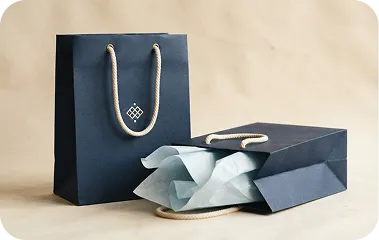
Explore proportions, handles and print placement to make a considered finishing touch for retail.
Packaging is more than just a protective layer — it’s the first impression your product makes. The right packaging format not only keeps your product safe but also enhances your brand identity, improves usability and can even influence buying decisions.
With so many options available, it’s important to choose a format that aligns with your product type, target market and business goals.
1. Understand Your Product
The first step is to consider the nature of your product — its size, shape, fragility and shelf life. For example, food products may require airtight and moisture-resistant packaging, while cosmetics need premium, visually appealing formats that reflect the brand’s identity.
2. Consider Material & Sustainability
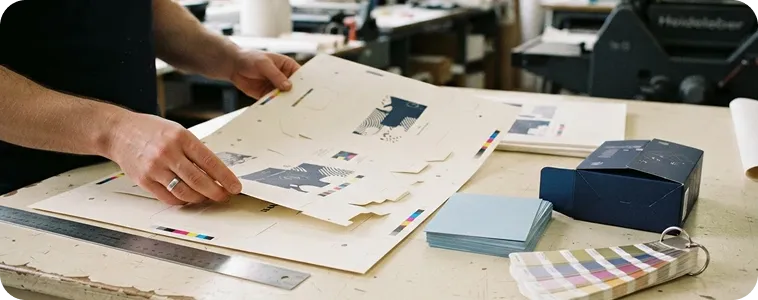
The material you choose impacts product safety, durability and environmental footprint. Sustainable packaging is no longer a trend — it’s a customer expectation. Look for recyclable, biodegradable or compostable materials that align with your brand values and compliance needs.
3. Match Your Brand & Market
Your packaging should tell your brand story. Think about the unboxing experience, visual appeal and how it fits your target market’s preferences. A well-designed package builds trust, creates excitement and encourages repeat purchases.
The right packaging format doesn’t just protect your product — it builds your brand, creates value and drives long-term success.
4. Balance Cost & Functionality
While aesthetics are important, your packaging should also be cost-effective and practical. Choose a format that offers the right balance between protection, presentation and production efficiencyyy.
- testing
- testing
- testing
- testing
